Keep reading
I hunt, I fish, and I sell recreational ground — so here's the checklist I actually use when a client says "find me elk property."
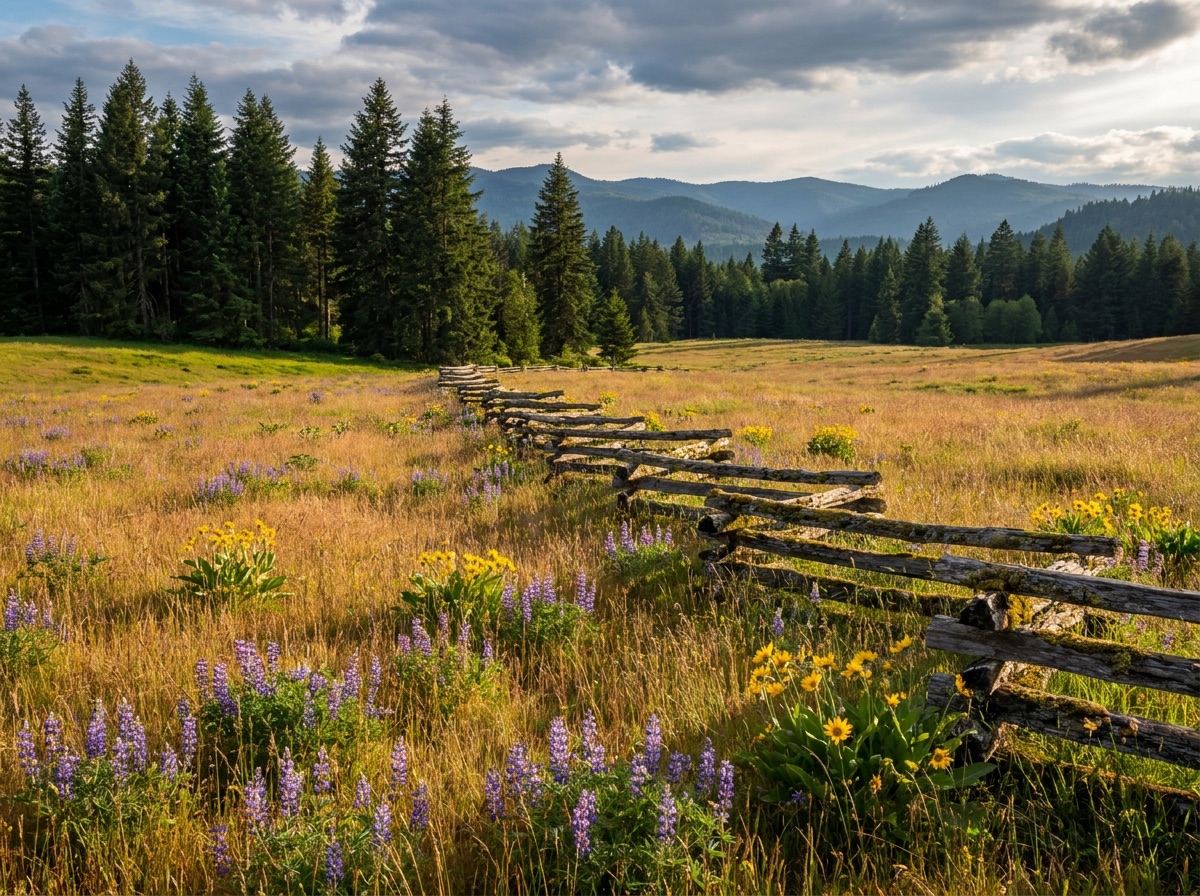
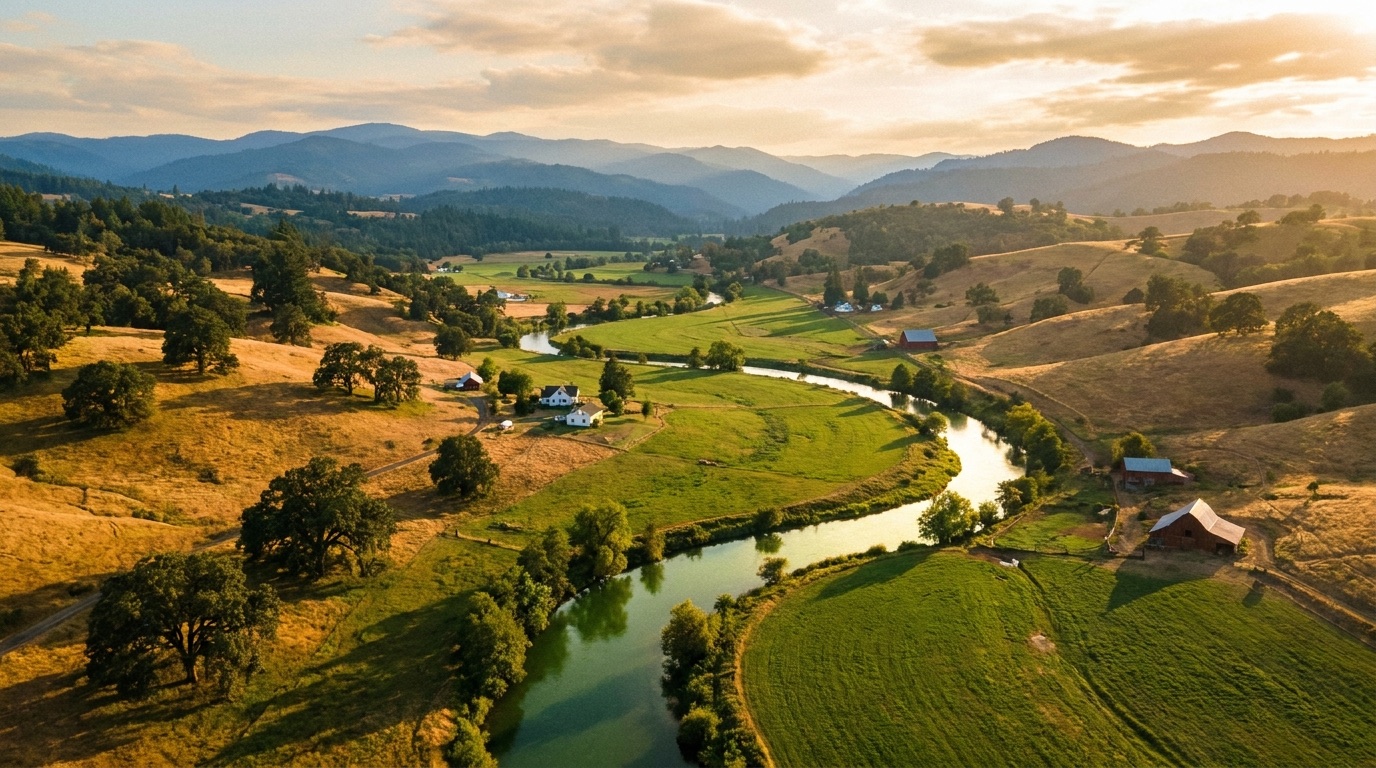
1. Feed, water, cover. Elk and blacktail need all three within their daily loop. A meadow system, a year-round creek or spring, and timbered bedding on the parcel (or immediately adjacent) beats raw acreage every time.
2. Pressure map. Roads, neighbors, and public access shape where animals actually live. A quiet 60 bordered by big private timber can outhunt a busy 200.
3. Public adjacency. BLM checkerboard and Forest Service boundaries multiply your huntable footprint. I verify legal adjacency on maps, not listing claims — "borders public land" is the most abused phrase in recreational real estate.
4. LOP eligibility. 40+ contiguous acres opens Oregon's Landowner Preference tags for deer and elk. If tags matter to you, parcel size and configuration matter to me.
5. Unit reality. Melrose and Dixon units have their own personalities, seasons, and draw odds. Buy ground in the unit that matches how you actually hunt.
6. Sign on the ground. I walk parcels looking for trails, rubs, wallows, and beds — fresh sign in multiple seasons beats trail-cam folklore from the seller.
7. Camp infrastructure. Water, a legal spot for the trailer or a template-eligible cabin site, and all-weather access decide whether you use the place ten weekends a year or two.
8. The exit. Recreational ground with timber value, grazing leases, or building eligibility holds value in every market. Buy the parcel that's an asset even in the years you don't fill a tag.
Bring me your unit preferences and your budget, and I'll bring the maps.
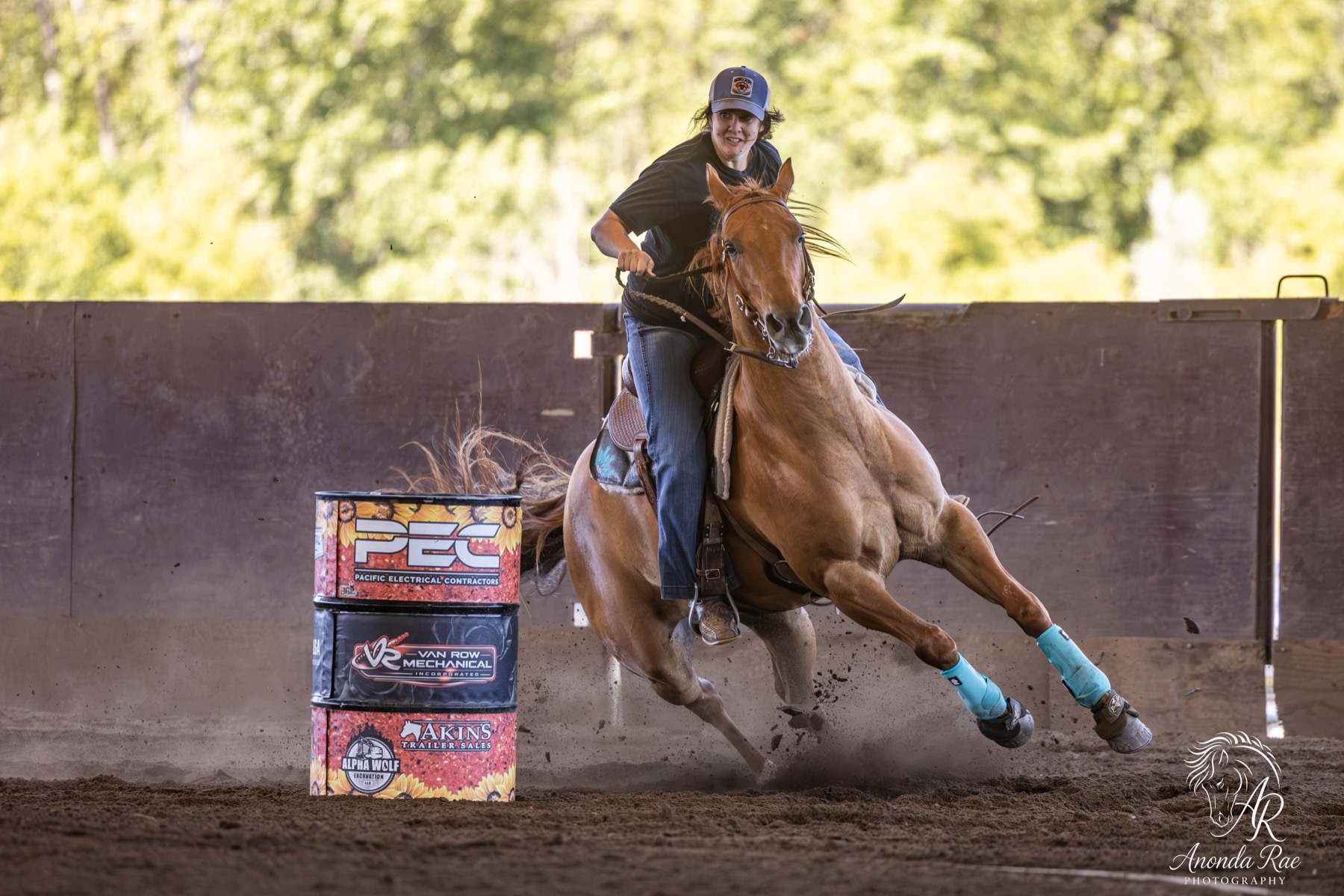
Whether you're buying your first five acres or selling the ranch that raised you — call, text, or email. Kimmy answers.
541-643-9509