Keep reading
I run barrels. Not "I rode a horse once at camp" — I haul, I compete, I ride almost daily, and my horses live on my place. So when a fellow competitor asks me to find them arena-ready property, they're getting an agent who has felt bad ground at a lope and knows exactly what it costs to fix.
Dimensions first: a standard barrel pattern wants at least 130x200 to set full-size, and you'll want more length for run-in. Smaller works for exercise; it doesn't work for real practice at speed. Measure the pad, not the fence line.
Footing is where listings lie hardest. "Sand arena" can mean three inches of washed sand over a laser-graded base — or a load of river sand dumped on dirt in 2011. I dig with my boot heel at every arena showing: I want to feel base under 2.5–3 inches of working footing. Deep, baseless footing bows tendons; thin footing over hardpan is concrete with a costume on.
Drainage decides whether you ride in February or scroll your phone until May. Crown or engineered slope, ditching that actually carries water away, and footing that doesn't hold pond water — in this county, winter usability is the single biggest difference between arenas that look the same in a listing photo.
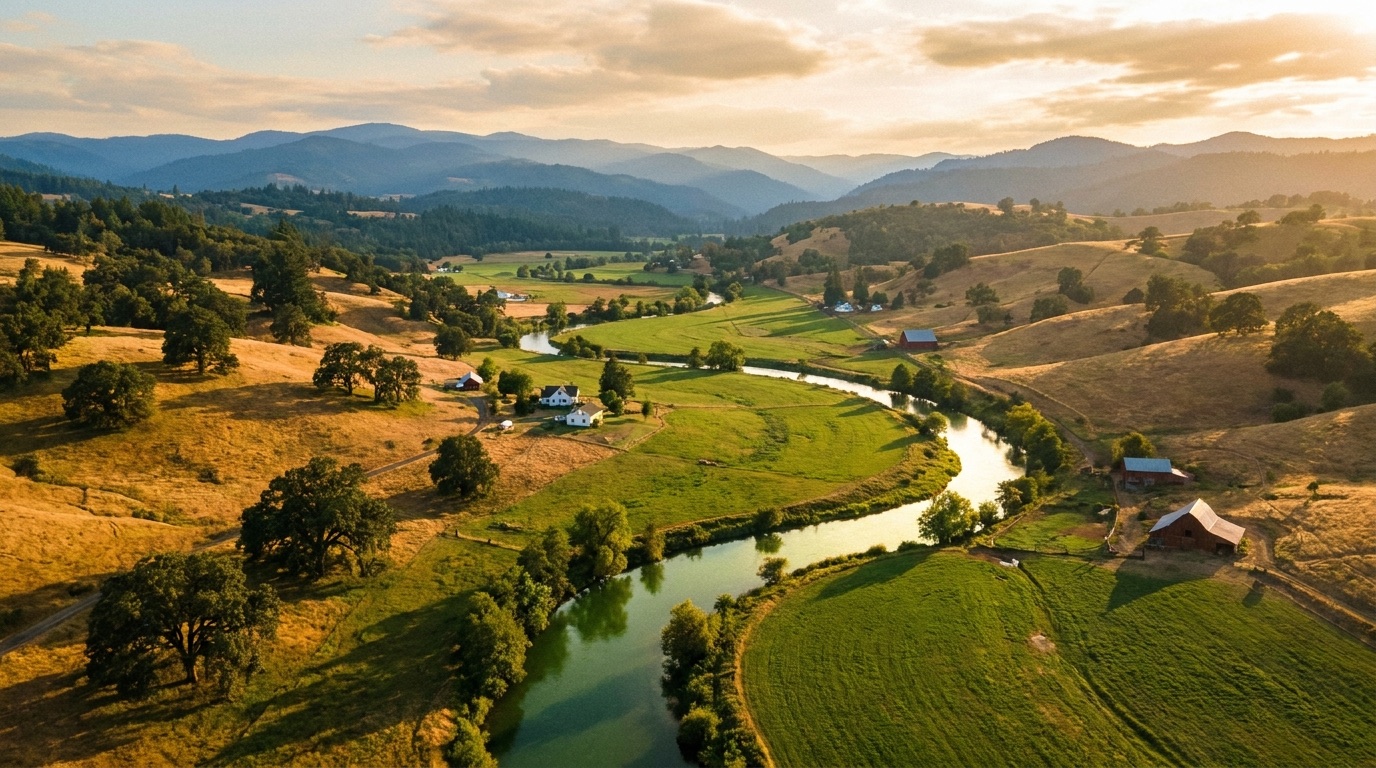
And the quiet stuff: all-weather trailer turnaround, hay storage for a full winter, safe night turnout, and a vet and farrier who'll come up your road. I know which valleys have that infrastructure because I use it.
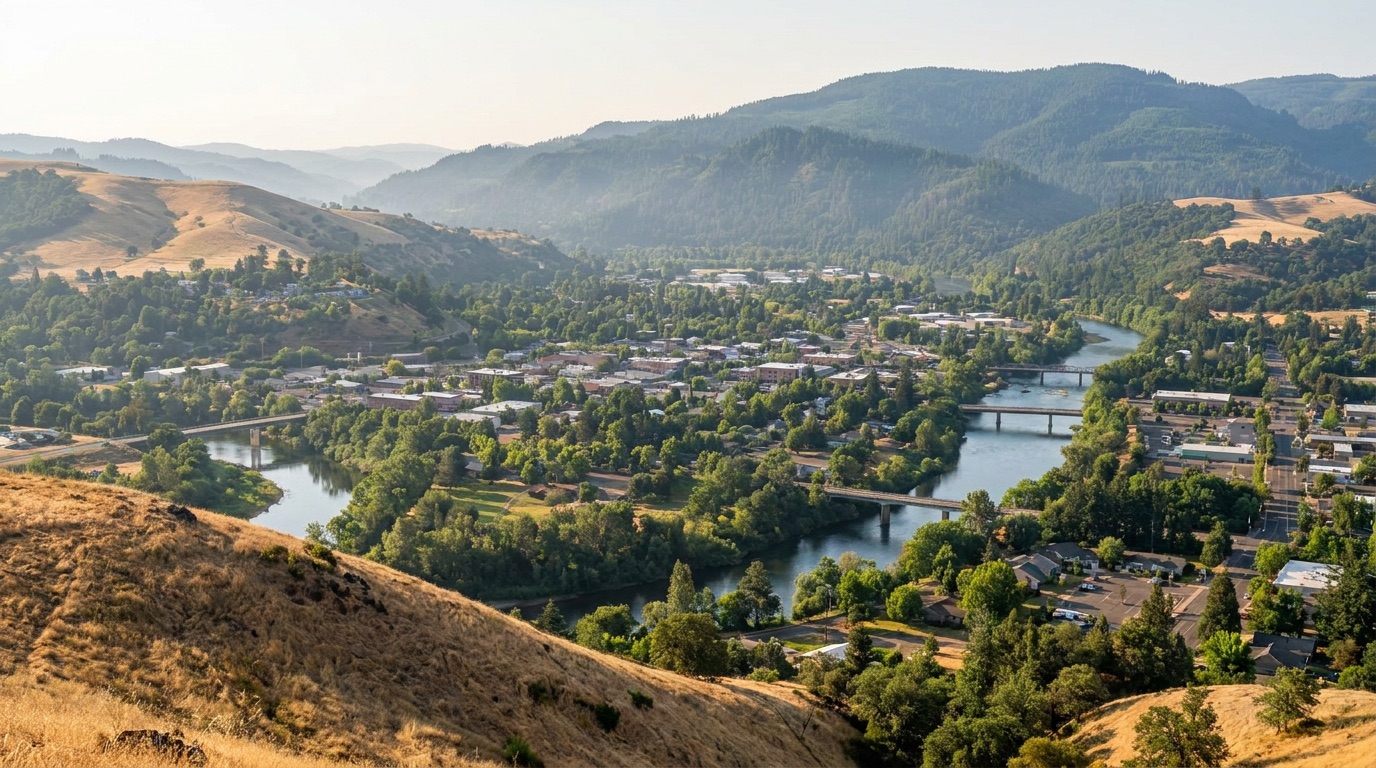
If you're a rider shopping Douglas County, call me. We'll skip the pretty-but-useless setups and find ground you can actually train on. And yes — I'll bring my boots.
Whether you're buying your first five acres or selling the ranch that raised you — call, text, or email. Kimmy answers.
541-643-9509