Keep reading
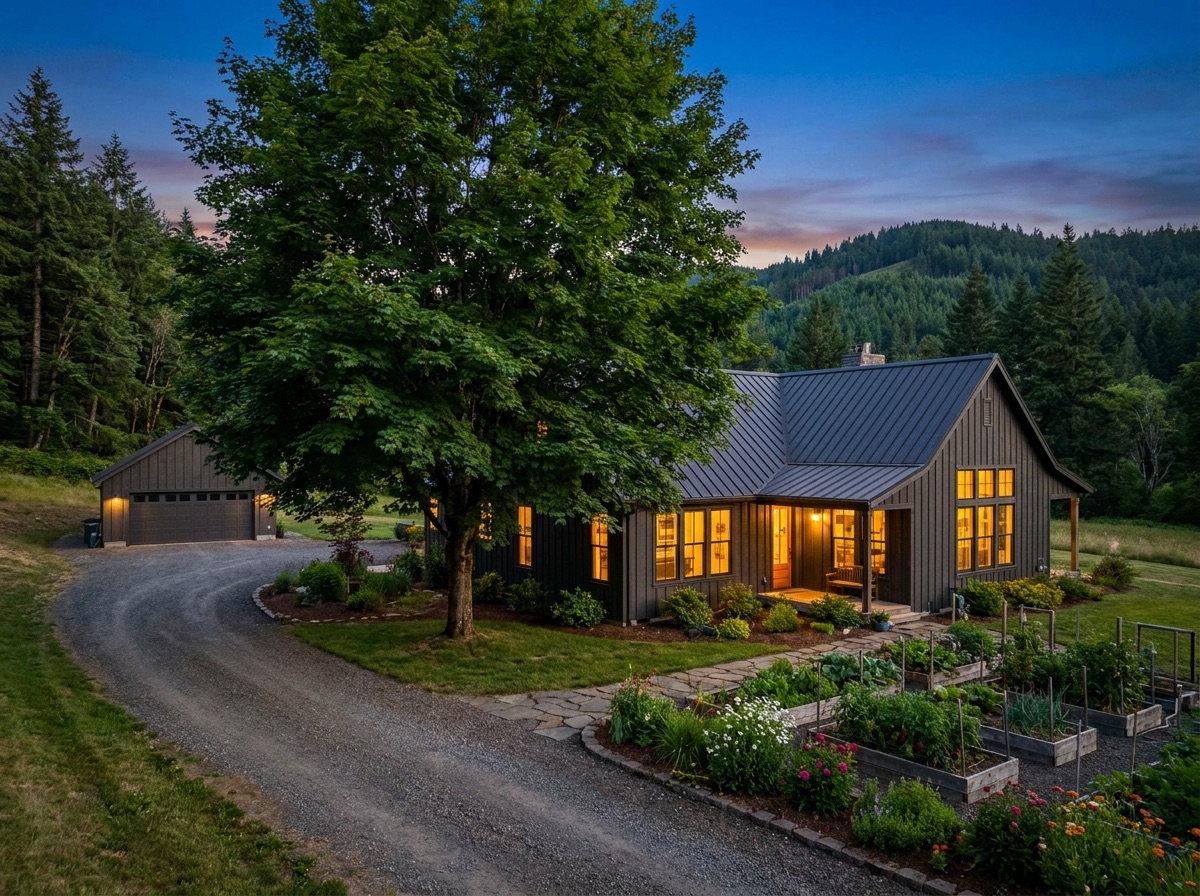
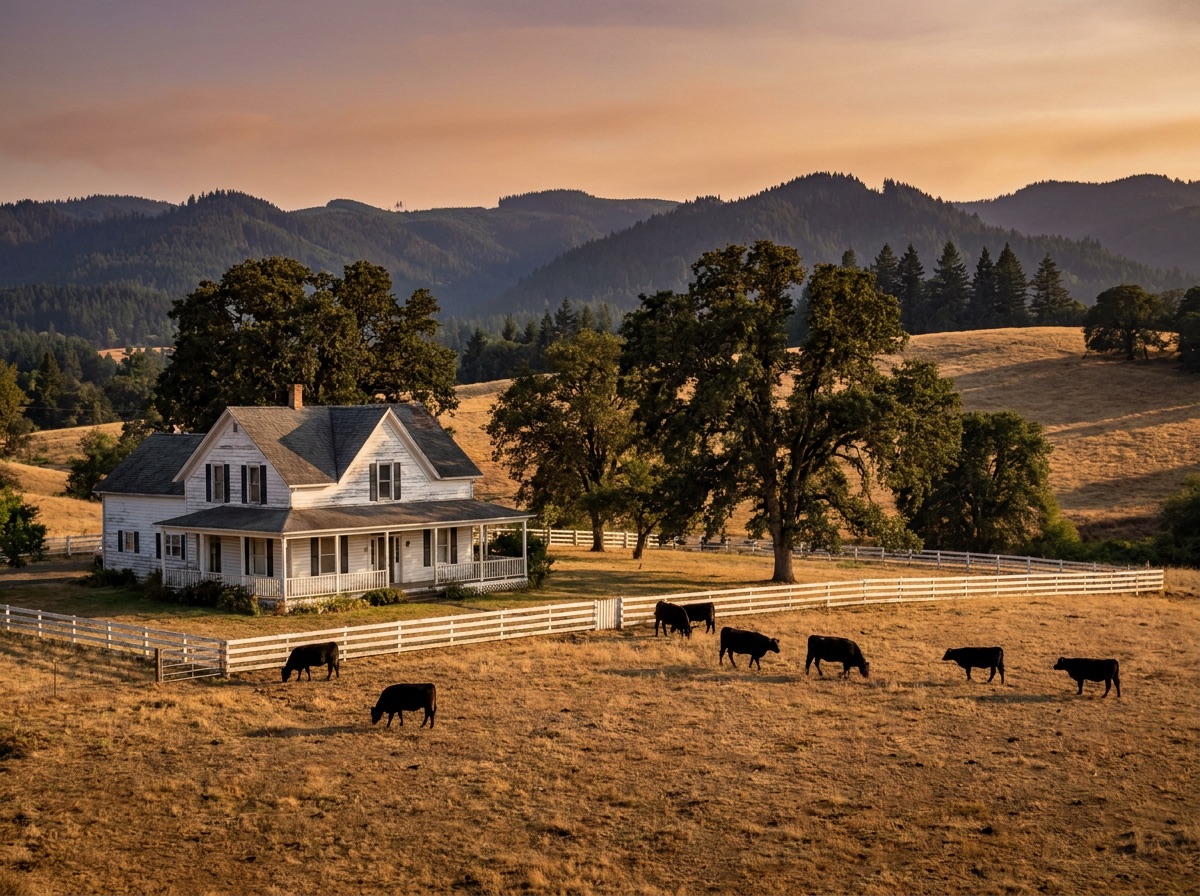
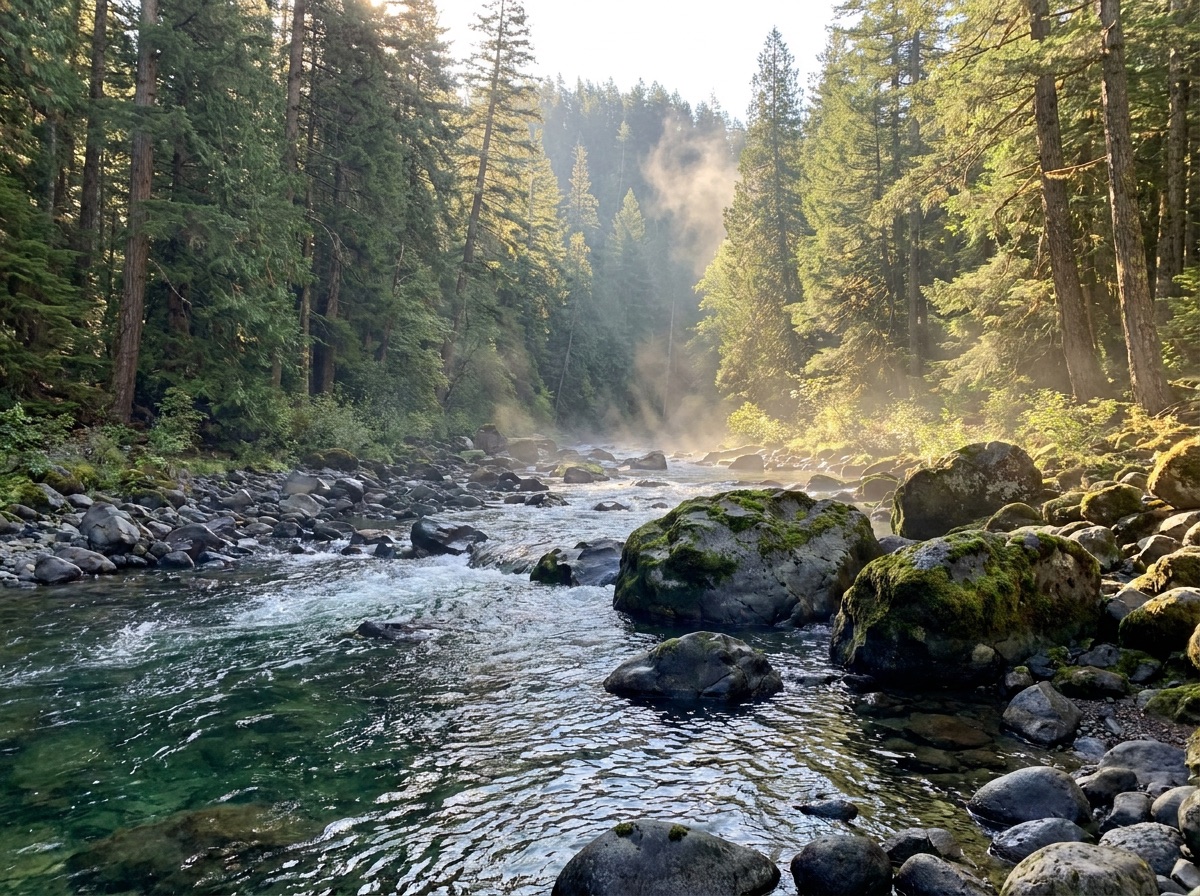
Before acreage counts and price ranges, get honest about the life you're buying: horses or cattle? A big garden and a shop? Total privacy, or neighbors within a wave? River access, or a hilltop view? Douglas County's "hundred valleys" each deliver a different version of rural life — Melrose feels nothing like Tiller, and Lookingglass feels nothing like Glide. Kimmy starts every buyer relationship with this conversation, because it decides which valleys you should even be looking in.
A rural purchase has layers a city house never will: zoning and dwelling rights, well production and water quality, septic condition or feasibility, legal access and road maintenance, floodplain and fire history, mineral and timber rights, and tax deferral status. None of them are deal killers by default — but every one of them must be answered before you're committed. A good rural agent builds these answers into the offer timeline itself.
Douglas County's rural zones — FF (Farm Forest), EFU (Exclusive Farm Use), TR (Timberland Resource), and others — govern whether you can build, divide, or run a business. A gorgeous 80 in a timber zone may allow no dwelling at all; a 5-acre FF parcel may allow exactly what you're dreaming of. Verify with Douglas County Planning first, always.
Domestic wells serve most rural homes here. Well logs are public record in Oregon — pull them for the property and its neighbors to gauge depth, flow, and seasonal reliability. Springs and surface water for irrigation require water rights, which are use-it-or-lose-it. Water quality tests (bacteria, nitrates, arsenic) belong in every inspection period.
Existing systems need inspection and pumping at sale; bare land needs a site evaluation to prove a system can be approved. Failed or missing septic capability is one of the most expensive surprises in rural real estate — sand filter and ATT systems can run $30,000–$50,000. Never waive this diligence.
County-maintained frontage is gold. Private and easement roads are common and fine — if the easement is recorded, the maintenance agreement exists, and the physical road matches the legal one. Unrecorded "historic use" is how new owners end up in court.
Conventional loans handle most homes on acreage; raw land typically needs land loans (higher down, shorter terms) or seller financing; USDA loans offer zero-down options for qualifying homes and buyers in eligible areas — which covers most of Douglas County. Farm operations may fit Farm Credit lenders. Match the financing to the property early, because not every lender will touch every rural deal.
Yes — it offers some of western Oregon's most affordable usable acreage, with a full spectrum from close-in mini-farms to remote timber ground. The trade-off is diligence complexity, which is why local representation matters more here than in town.
Plan 30–45 days for a home on acreage with clean diligence, and 45–90+ for bare land needing septic evaluations or land-use verification. Kimmy structures timelines so you're never paying for speed with risk.
Assuming the land can do what they dream of doing without verifying it — building a second home, dividing a parcel, drilling a well. In rural Oregon, the county's answer is the only answer that counts. Get it in writing before you commit.
Kimmy will — specific to your property, your valley, and your plans. The conversation is free.
Whether you're buying your first five acres or selling the ranch that raised you — call, text, or email. Kimmy answers.
541-643-9509