Glide — Where two rivers collide — has a character all its own, and for anyone hoping to buy or sell timberland here, that character shapes everything.

Here's the thing about Glide: River-adjacent homesteads, forested acreage up Little River Road, and pasture ground in the Peel and Buckhorn areas. Wildfire history (Archie Creek) makes defensible space and insurance knowledge essential here.
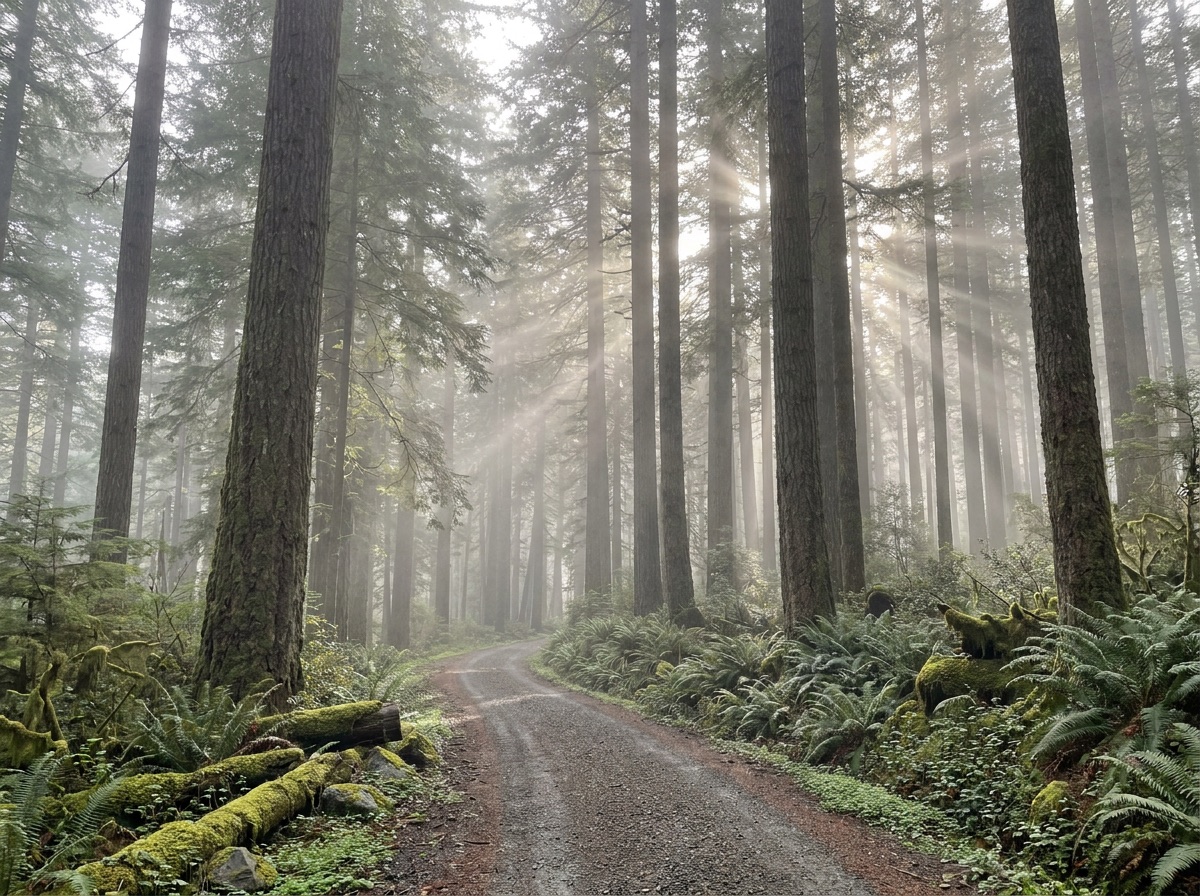
Layer Kimmy's timber land specialty on top: Douglas County is the historic timber capital of Oregon, and timbered ground remains one of its smartest long-term holdings — this county grows Douglas fir about as well as anywhere on the planet, and it built itself on that fact. From 20 recreational acres to a 300-acre tree farm, Kimmy connects the forestry side to the real estate side.
Glide is the gateway to the North Umpqua — home of the famous Colliding Rivers, where the North Umpqua and Little River meet head-on. It's the county's basecamp for fly fishing, waterfalls, and mountain recreation, with rural properties tucked into green river valleys.
| Population | ~1,800 |
| Drive to Roseburg | 20 minutes |
| Known for | Colliding Rivers viewpoint · North Umpqua River · Little River valley |
| Lifestyle | World-class steelhead water, waterfall hikes, and huckleberry summers. |
You want an agent who combines genuine timber land expertise with parcel-level Glide knowledge. Kimmy Karlovich lives the rural Douglas County life daily — horses, land, hunting, rivers — and serves Glide as core territory (about 20 minutes from her Roseburg base). Call 541-643-9509 for a straight local conversation.
A timber cruise — a professional inventory of species, volume, and grade — is the only reliable answer. On any significant timbered parcel, Kimmy recommends cruising before setting or accepting a price, and she can connect you with reputable local foresters.
Like farm deferral, forestland deferral taxes ground at forest-use value — dramatically lower than market. Continued forest use is required, and disqualification triggers back taxes, so confirm status and obligations before closing.
Yes — the Oregon Forest Practices Act requires reforestation after harvest, typically within two planting seasons, plus stream buffer protections. A prior owner's unfinished replant obligation can transfer with the land, so Kimmy checks harvest notifications before closing.
Whether you're buying your first five acres or selling the ranch that raised you — call, text, or email. Kimmy answers.
541-643-9509